Altostratus opacus
As op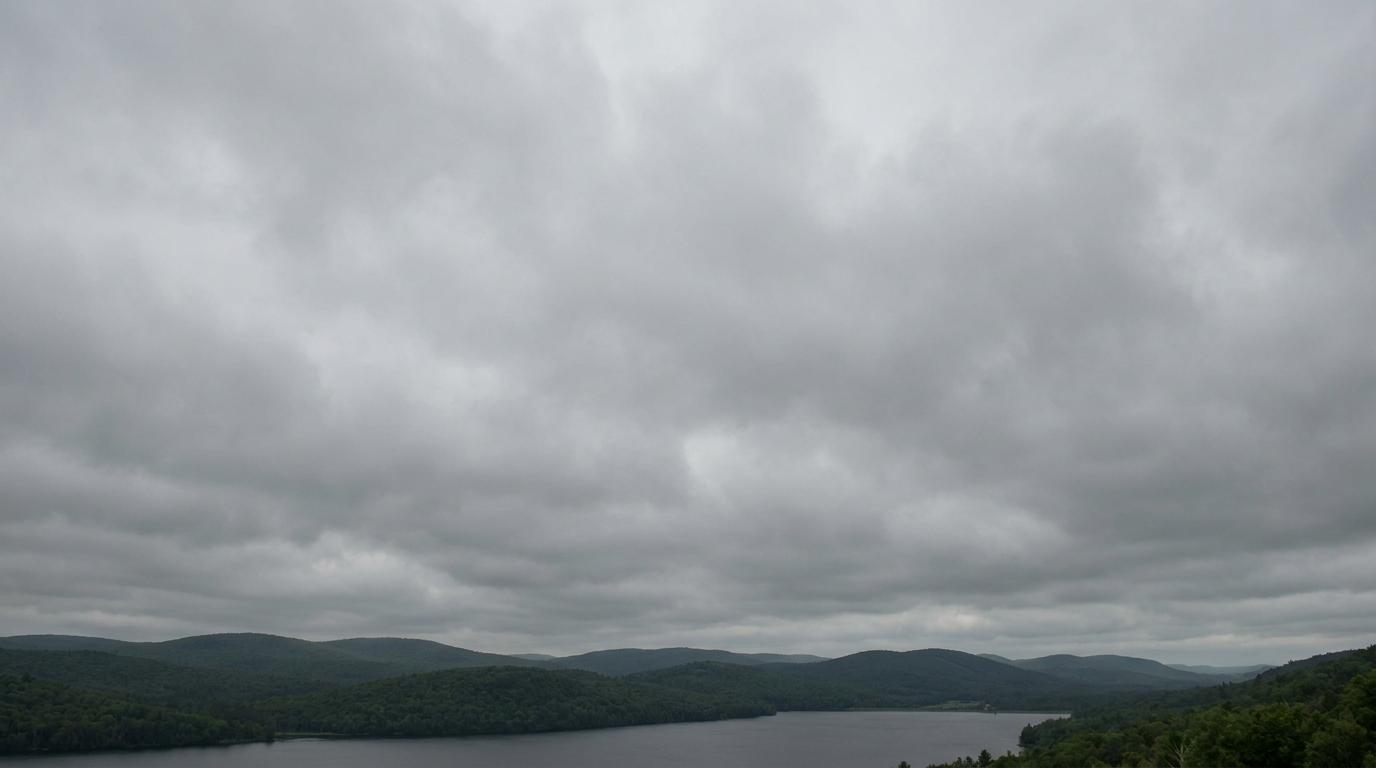
Altostratus opacus
© wetterkurs.ch
Description
The variety «opacus» (lat. opaque, dense) describes an altostratus cloud layer so thick that the sun or moon is completely obscured. In contrast to the translucent altostratus translucidus, opacus no longer allows any outlines of celestial bodies to be discerned. This mid-level, grey to bluish-grey cloud layer often covers the entire sky and appears structureless or slightly fibrous. Altostratus opacus is frequently a harbinger of prolonged precipitation and often heralds the transition to nimbostratus.
Identification Features
- Uniform, grey to dark grey cloud layer at mid-level altitude
- Sun and moon are completely obscured, no outlines visible
- Frequently covers the entire sky
- Appears mostly structureless, but may show slightly fibrous or streaked areas
- No halo phenomena, as the layer is too dense for light refraction
- Often associated with light precipitation that can reach the ground
- Transition to nimbostratus possible with increasing thickening
Occurrence by genus
Highlighted: all genera with which opacus occurs.
Meteorological Significance
Altostratus opacus is a classic indicator of an approaching warm front and impending extended periods of precipitation. The dense layer points to an advanced lifting of moist air masses and often transitions into nimbostratus with continuous rain or snowfall. Light, steady precipitation can already fall from opacus itself, partially evaporating as virga. For weather observers, this cloud is a reliable sign that conditions will deteriorate significantly within the next few hours.
Facts
- WMO-Code
- As op
- Height layer
- Mid-level clouds
- Typical height
- 2.0 - 6.0 km
- Genus
- ALTOSTRATUS