Cloud Atlas
Interactive overview of the 10 WMO main cloud genera
The World Meteorological Organization (WMO) classifies clouds into 10 main genera. These are based on the height of their base and their shape. Each cloud type has its own meteorological significance and helps us understand and forecast the weather.
Loading cloud types...
Did you know?
- • The WMO cloud classification was introduced in 1896 and is based on the work of Luke Howard (1802)
- • In addition to the 10 main genera, there are 15 species and 9 varieties
- • Clouds consist of either water droplets, ice crystals, or a mixture of both
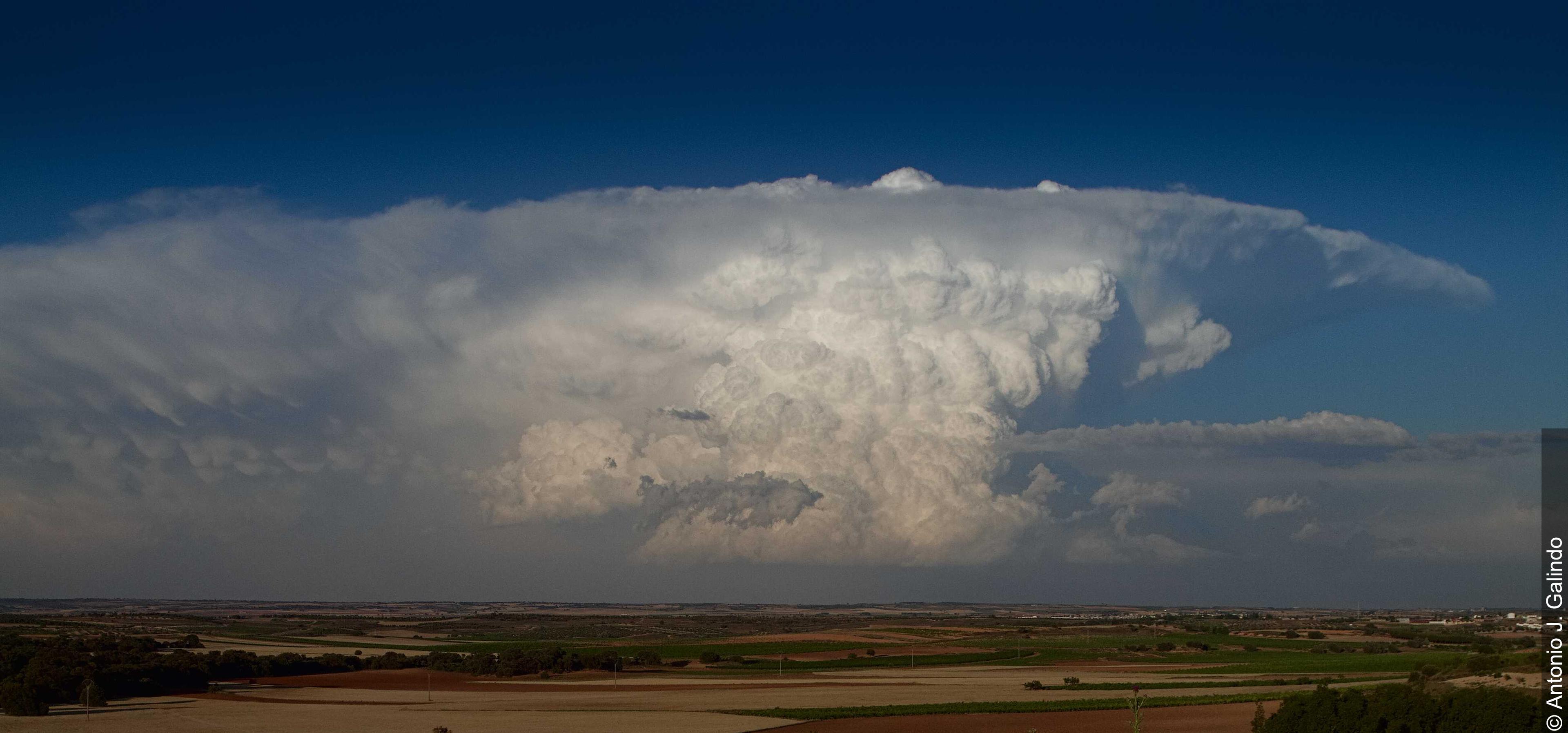
- • Cumulonimbus clouds can grow up to 18 km high and contain up to 500,000 tons of water
Species and varieties by genus
Not every species or variety occurs with every genus. The table shows the assignment according to the WMO International Cloud Atlas (2017). Click a dot to go to the detail page.
Cloud species and the genera with which they most commonly occur
Source: WMO International Cloud Atlas (2017)
Want to learn to read clouds?
At MeteoAcademy, you'll systematically learn all cloud genera and what they reveal about upcoming weather.