Stratus fractus
St fra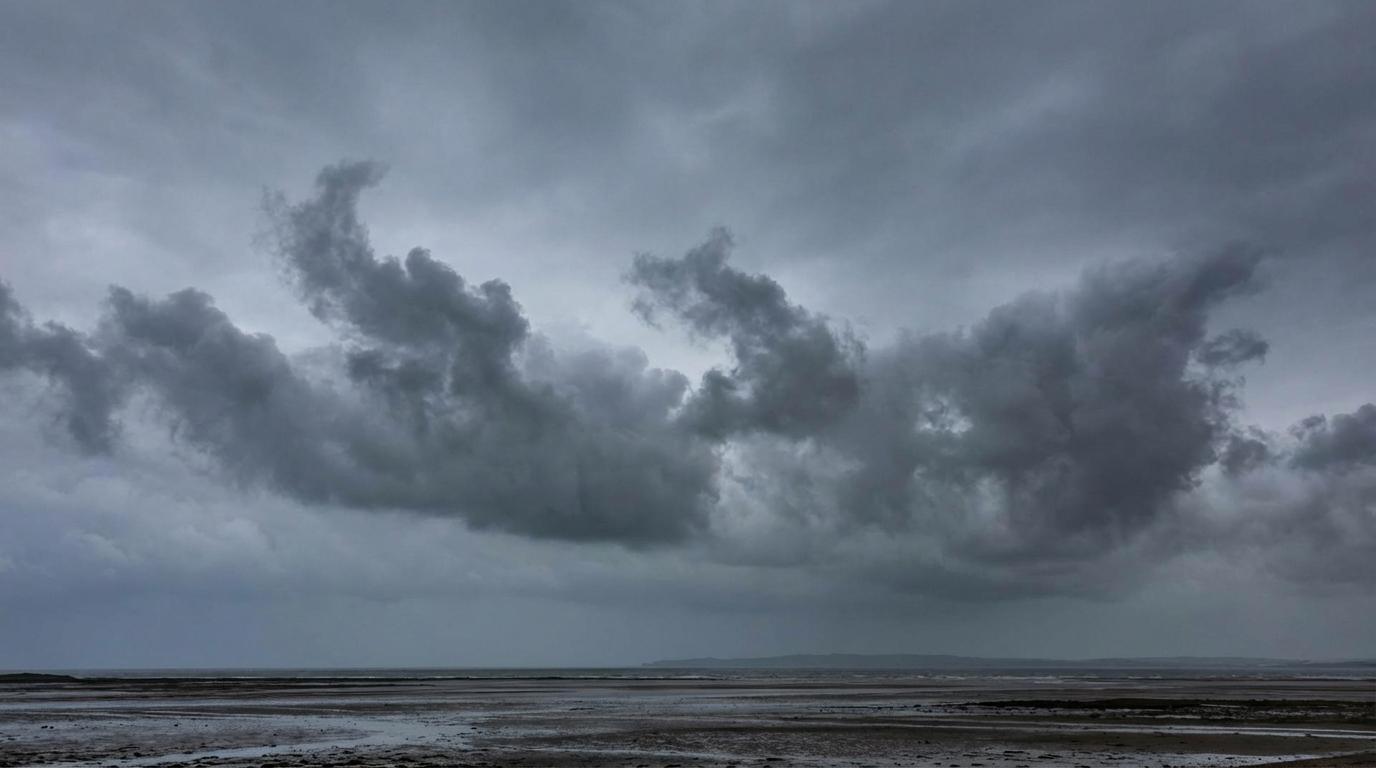
Stratus fractus
© Wetterkurs.ch
Description
The name "fractus" (Latin: broken, torn) describes the characteristic appearance of this cloud: irregular, ragged cloud shreds with constantly changing shape. Stratus fractus frequently forms beneath dense rain clouds (Nimbostratus or Cumulonimbus) as so-called fractus clouds or "bad weather shreds". These low-hanging, grey cloud fragments form through evaporation and renewed condensation of precipitation in moist air beneath the actual cloud layer. They are rapidly reshaped by the wind and often move quickly across the sky, giving them a particularly dynamic and torn appearance. In stable weather, Stratus fractus can also appear as harmless wisps of mist on mountain slopes or in valleys.
Identification Features
- Small, irregular and ragged-looking cloud fragments without a clearly defined base
- Constantly and rapidly changing shape due to wind influence
- Very low-hanging, often only a few hundred metres above the ground
- Dark grey colouration when occurring beneath precipitation clouds
- Individual, separated fragments that move quickly
- Frequently visible beneath a continuous Nimbostratus or Cumulonimbus layer
- Recognisable on mountain slopes as rising or dissipating wisps of mist
- In contrast to Cumulus fractus, rather flat and horizontally extended, without vertical convective growth
Occurrence by genus
Highlighted: all genera with which fractus occurs.
Meteorological Significance
Stratus fractus occurring beneath precipitation clouds is a clear sign of persistent bad weather with rain or snowfall. These so-called "pannus clouds" indicate high humidity in the lower atmospheric layers and suggest that precipitation has already heavily moistened the air near the ground. As precipitation eases, the fractus clouds gradually dissipate, which can indicate an approaching improvement in weather. Stratus fractus on mountain slopes in otherwise fair weather is, however, of little meteorological significance and usually dissolves quickly as temperatures rise. An increase and thickening of Stratus fractus can, however, indicate approaching moisture and imminent precipitation.
| Genera: | Altocumulus AcAltostratus AsCirrocumulus CcCirrostratus CsCirrus CiCumulonimbus CbCumulus CuNimbostratus NsStratocumulus ScStratus St |
| Species: | fractus St franebulosus St neb |
Facts
- WMO-Code
- St fra
- Height layer
- Low clouds
- Typical height
- 0.1 - 1.0 km
- Genus
- STRATUS